The Importance and Types of Tillage and Supporting Machinery
Tillage and supporting machinery is the foundation of agricultural production, responsible for soil preparation before planting, which directly affects soil structure, fertility, and crop growth. Tillage operations include plowing, harrowing, cultivating, and leveling, which can improve soil aeration, incorporate crop residues into the soil, control weeds, and create an ideal seedbed for sowing. With the development of agricultural modernization, tillage and supporting machinery has become more efficient, intelligent, and diversified, playing an increasingly important role in modern agriculture.
Common types of tillage and supporting machinery include plows, harrows, cultivators, and levelers. Plows are mainly used for deep plowing of soil, breaking up hard soil layers, and improving soil permeability. Moldboard plows and chisel plows are the most commonly used types, suitable for different soil conditions. Harrows are used for harrowing the soil after plowing, breaking up soil clods, and leveling the ground, which is conducive to seed germination. Cultivators are used for intertillage operations, weeding, and loosening the soil, promoting crop root growth.
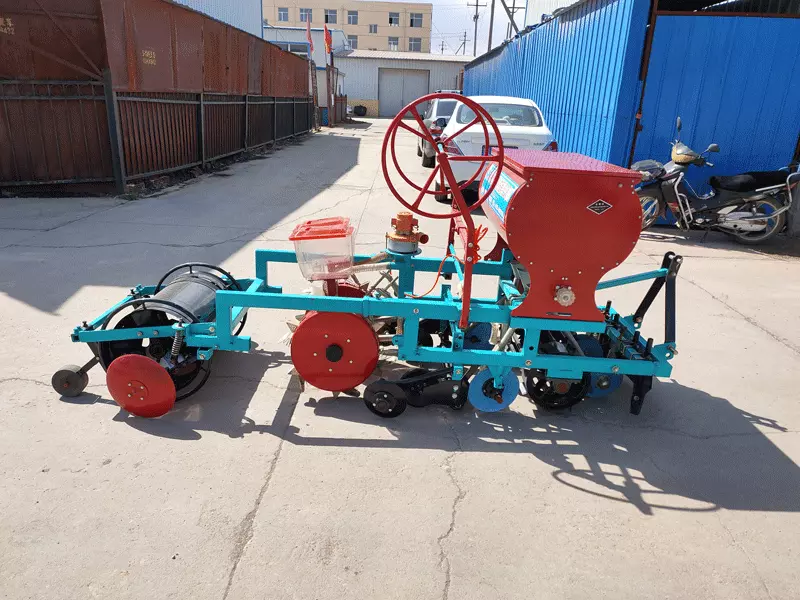
The global tillage equipment market was valued at USD 12.02 billion in 2023 and is projected to reach USD 15.49 billion by 2031, growing at a CAGR of 3.22% from 2024 to 2031. The growth of the market is driven by the growing global population and food demand, government support for agricultural mechanization, and the shift towards conservation agriculture practices. Tillage and supporting machinery not only improves farming efficiency but also promotes the sustainable use of soil resources. In the future, with the integration of precision agriculture technologies, tillage and supporting machinery will become more intelligent, realizing precise soil preparation and resource optimization, laying a solid foundation for high crop yields.
Next: No More
