Latest News
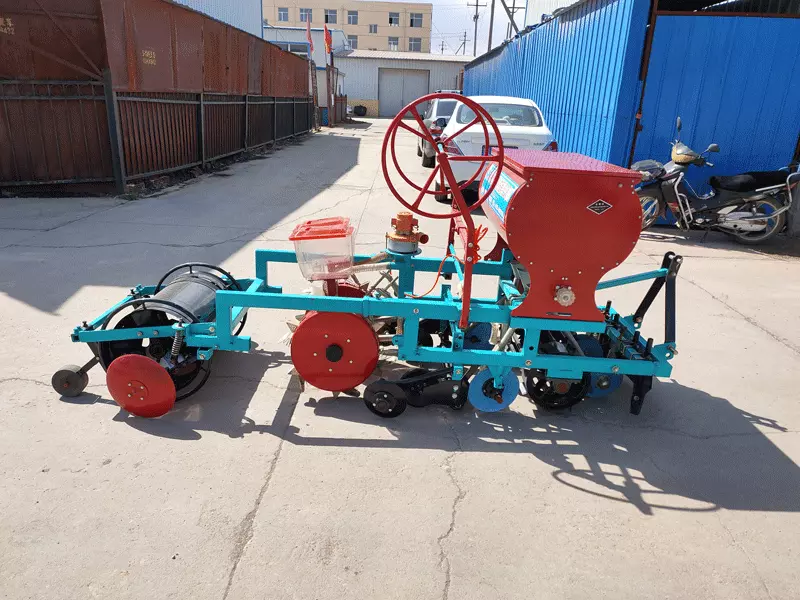
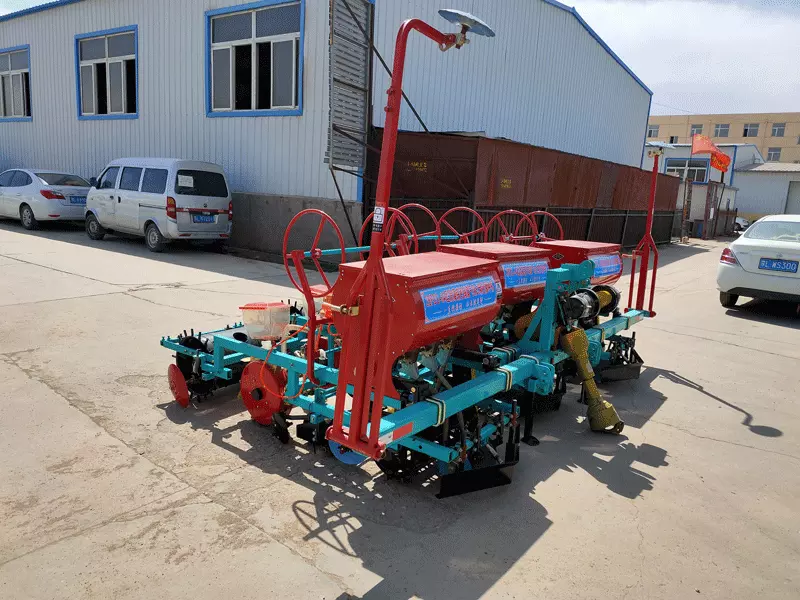
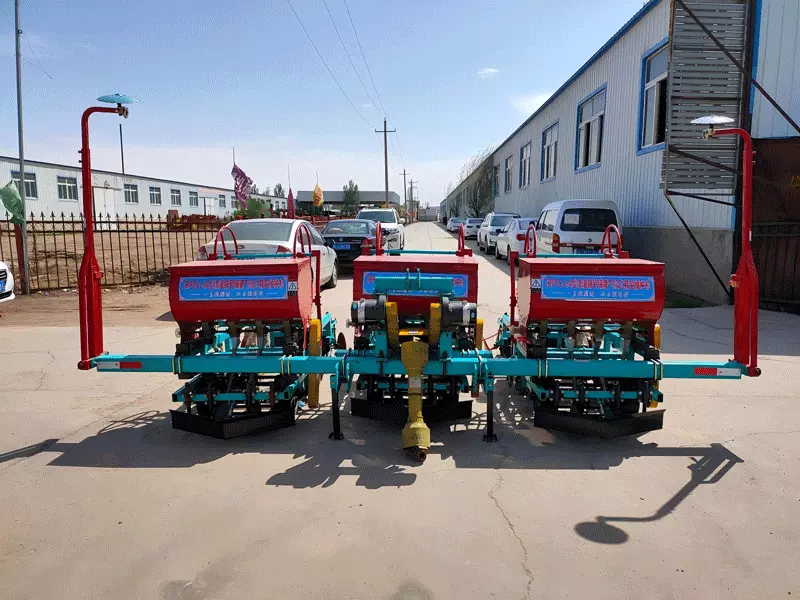
How to Choose the Right Cultivator for Your Needs
When selecting a tiller for farmland, the right machine for your needs depends on several factors: the condition of the land, soil type, crop type, budget, and intended use. When making your choice, you should consider all these factors comprehensively to ensure you select a tiller that meets your specific requirements.
First, we must consider the terrain. Terrain can be categorized into flat land, hilly areas, and mountainous regions. Different terrains impose different requirements on the choice of cultivator. Flat land is suitable for large cultivators, while hilly and mountainous areas require smaller mounted or walk-behind cultivators. Additionally, the size of the plot must be taken into account to select a cultivator that matches the scale of your land.
Second, soil type is another factor to consider. Different soil types impose different requirements on the selection of a tiller. Heavy soils, such as clay, require a tiller with higher power to overcome greater resistance. In contrast, sandy soils require a lighter tiller to avoid damaging the soil structure through overly forceful operation.
Third, crop type is another important factor to consider. Different crops have different requirements for cultivators. For example, rice paddies require a cultivator capable of working in wet, waterlogged conditions, while orchards require one with excellent soil preparation capabilities. Therefore, when selecting a cultivator, you should clearly define your selection criteria based on your specific crop type.
 Budget is another key factor influencing the selection. Prices for cultivators vary significantly based on model, specifications, features, and brand, so your decision should align with your financial constraints. If your budget is limited, opt for a relatively affordable yet fully-featured cultivator. Additionally, consider maintenance costs and the machine’s lifespan to avoid future financial burdens from excessive repair expenses.
Finally, usage requirements must be considered. These include the frequency of use, operating methods, and the working environment. If the machine will be used frequently, a model with stable performance and a long service life is recommended. If a variety of operations are required, a multi-functional cultivator is the better choice. Additionally, the working environment must be taken into account; for example, in regions where paddy field cultivation is necessary, a cultivator with corrosion-resistant features should be selected.
In summary, selecting a tiller that suits your needs requires a comprehensive evaluation of field conditions, soil type, crop type, budget, and usage requirements. Only by fully understanding these factors and choosing a tiller that aligns with your actual needs can you effectively improve the productivity of your farmland and reduce the workload.
Previous: No More
Next: The Importance and Types of Tillage and Supporting Machinery